


- Victorian Interior Design: Creating Authentic Period Elegance in Your Home - September 6, 2025
- Why I’m Obsessed with Rococo Interior Design (And You Should Be Too) - September 4, 2025
- Hollywood Glam Interior Design: Bringing Old Hollywood Luxury Home - September 2, 2025
Table of Contents
You know that feeling when you walk into a space and your jaw just drops? That’s Baroque design in a nutshell. I’ve been designing interiors for about fifteen years now, and I still get goosebumps when I nail a Baroque room just right.
Look, I’ll be honest with you – Baroque isn’t for everyone. My neighbor thinks my living room looks like “a fancy hotel lobby had a baby with Versailles.” But here’s the thing: when you love drama, texture, and spaces that tell stories, nothing else comes close.
What Actually Makes Something Baroque?
Let me tell you what I wish someone had told me when I first started out. Baroque isn’t just about throwing gold stuff everywhere and calling it fancy. There’s actually method to all that madness.
The whole movement started back in the 1600s when the Catholic Church was basically saying, “Hey, let’s make everything so beautiful and awe-inspiring that people can’t help but feel moved.” Smart strategy, honestly. And it worked so well that we’re still copying it today.
The secret sauce? Everything has to feel like it’s moving, even when it’s sitting still. Curves instead of straight lines. Layers instead of flat surfaces. Rich instead of plain. You get the picture.
The Building Blocks (But Make Them Fancy)
Colors That Mean Business
Forget your safe beiges and whites. We’re talking deep jewel tones that make a statement. I once had a client who was terrified of color – literally painted everything builder-grade beige. By the time we were done with her dining room (burgundy walls, gold accents, the works), she was hosting dinner parties every weekend just to show it off.
My go-to palette usually starts with one killer color – maybe emerald green or sapphire blue – then I build everything else around it. Gold always plays nice with jewel tones. Bronze works too if gold feels too flashy (though honestly, if you’re doing Baroque, why not go all the way?).
Furniture That Tells Stories
Here’s where things get fun. Baroque furniture doesn’t just sit there looking pretty – it practically demands attention. We’re talking about pieces with personality. Chairs that curve and swoop like they’re dancing. Tables with legs that look like they belong on a thoroughbred horse.
I remember this one antique dealer in upstate New York who told me, “If a piece doesn’t make you want to touch it, it’s not Baroque enough.” Guy was absolutely right. Everything should feel tactile, carved, detailed.
The wood choices matter too. Walnut, mahogany, rosewood – basically anything that sounds expensive and looks rich. And yes, gold leaf is totally acceptable. Sometimes even expected.
Fabrics That Beg to Be Touched
This is where I see people mess up constantly. They’ll nail the furniture, get the colors right, then cheap out on textiles. Big mistake. Baroque is all about that luxury feel, and nothing kills luxury faster than scratchy, thin fabrics.
Silk, velvet, brocade – these aren’t just fabric names, they’re your best friends. I’ve got this one supplier who sources the most incredible silk damasks from Italy. Expensive? Sure. Worth every penny when you see how it transforms a room? Absolutely.
And let’s talk window treatments for a second. Baroque windows don’t do “simple.” We’re talking layers – sheers, panels, valances, maybe some tassels if we’re feeling festive. I know it sounds like a lot, but trust me on this one.
Checkout this living room I worked on for a Roman client..
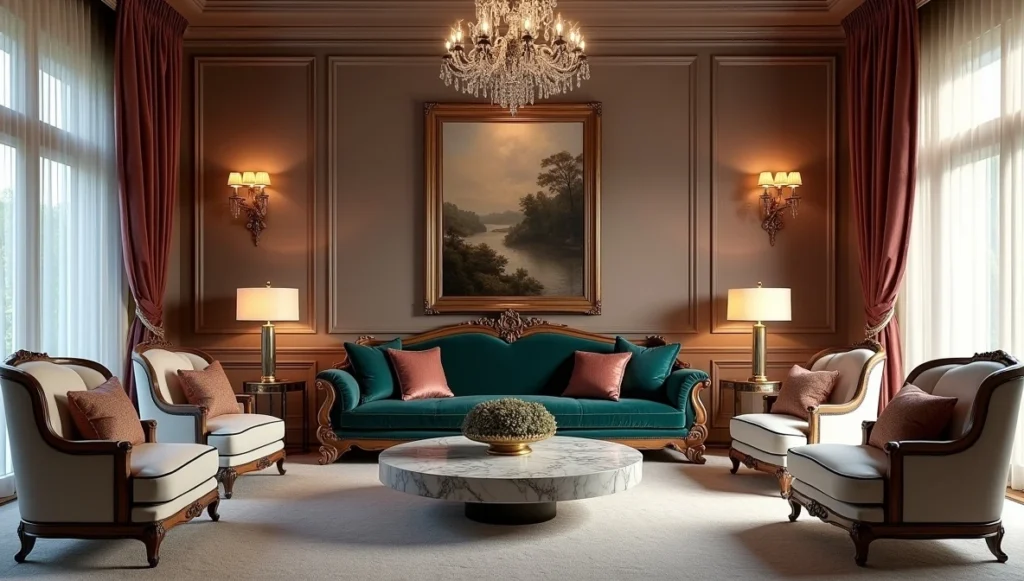
Lighting That Creates Magic
Nothing – and I mean nothing – sets the mood like proper lighting in a Baroque space. Chandeliers are obviously the stars of the show, but they can’t do all the heavy lifting alone.
I learned this the hard way on a project in Connecticut. Gorgeous room, perfect furniture, stunning chandelier. But we’d forgotten about ambient lighting, and at night the whole space felt like a fancy cave. Had to go back and add wall sconces and some subtle accent lights. Made all the difference.
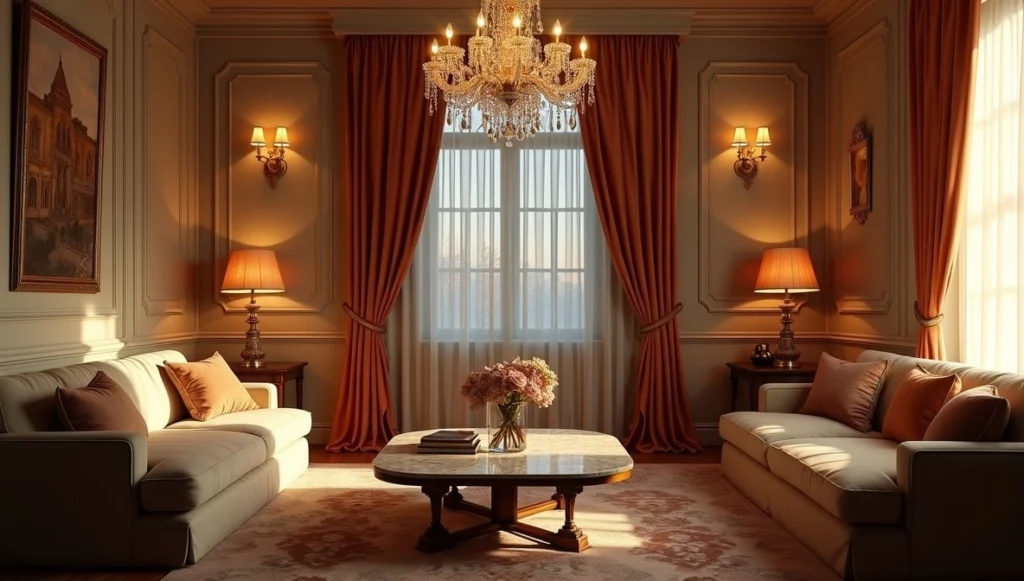
Making It Work in Real Life
Now, before you panic and think you need to live in a palace to pull this off, let me share some tricks I’ve learned over the years.
Start Small, Think Big
You don’t need to gut your entire house. Sometimes one really spectacular mirror or an incredible side table is enough to get that Baroque feeling going. I call it the “gateway piece” strategy – start with something that makes you smile every time you see it, then build from there. I found this spectacular side table along with the mirror at a local store in Italy.
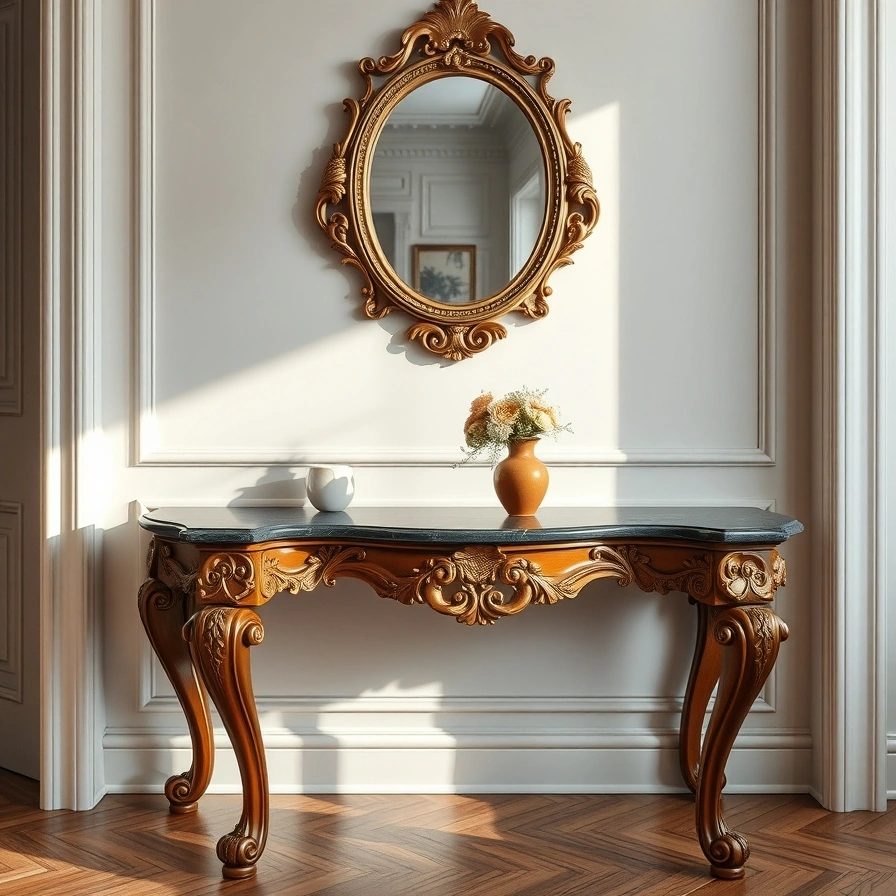
Mix It Up (But Smartly)
Some of my favorite rooms combine Baroque pieces with more contemporary stuff. Modern sofa? Perfect. Just pair it with an ornate coffee table and some rich pillows. Clean lines actually make ornate pieces pop even more.
The trick is not to go overboard with the mixing. Pick your era and stick with it mostly, then add just enough modern elements to keep things from feeling like a museum.
Quality Over Everything Else
Here’s some free advice that probably isn’t so free: buy less, but buy better. One amazing antique piece will give you more joy (and last longer) than five mediocre reproductions.
I’ve seen too many people fill their homes with cheap “ornate” furniture that looks great in photos but falls apart in real life. Do yourself a favor – save up for the good stuff.
Room by Room: Where the Magic Happens
Living and Family Rooms
Living rooms are where Baroque really gets to strut its stuff. I usually start with the seating arrangement – conversation areas work best – then build everything else around that. Rich wall color, check. Ornate coffee table, check. Artwork that commands attention, double check.
Family rooms need to be a bit more forgiving, especially if you’ve got kids or pets. I use performance fabrics that look like silk but can handle real life. Nobody wants to stress about their toddler’s juice box in their beautiful living space.
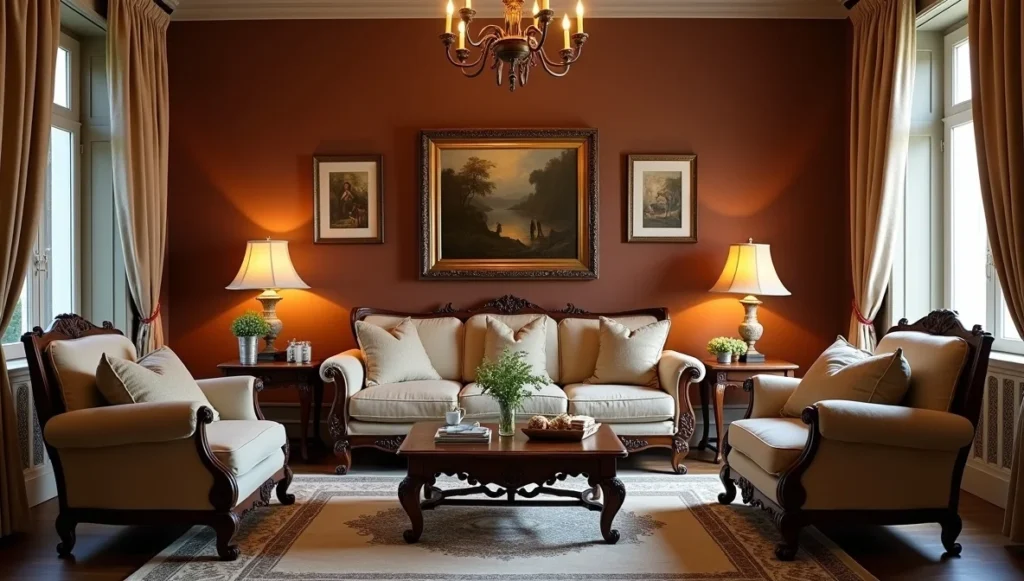
Dining Rooms
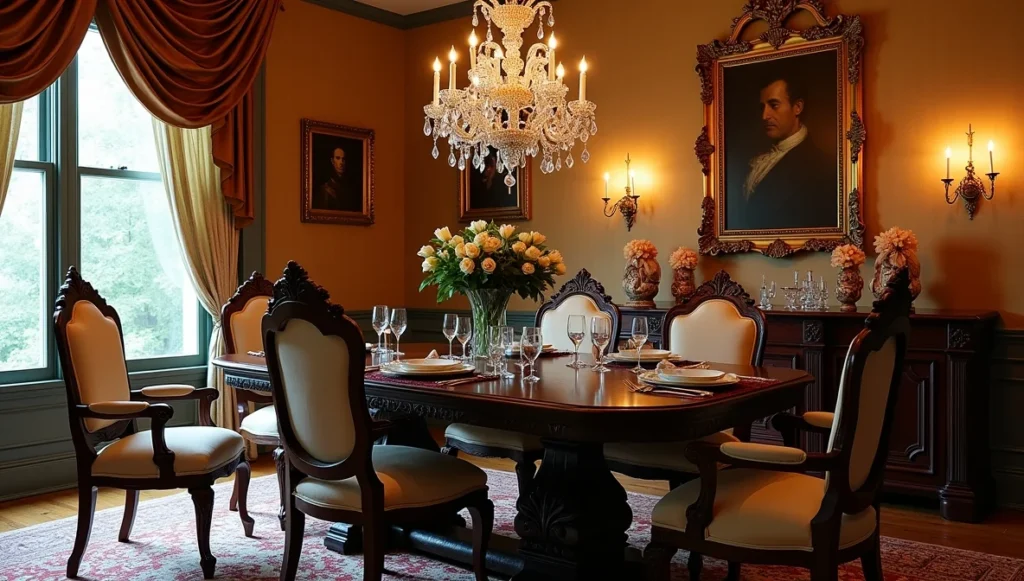
If you’re only going to do one Baroque room, make it the dining room. These spaces can handle the full drama – elaborate tables, chairs that look like thrones, crystal that catches every bit of light.
I always tell clients that dining rooms are for special occasions anyway, so why not make every meal feel like an event? Even Tuesday night pizza tastes better when you’re eating it surrounded by beauty.
Bedrooms
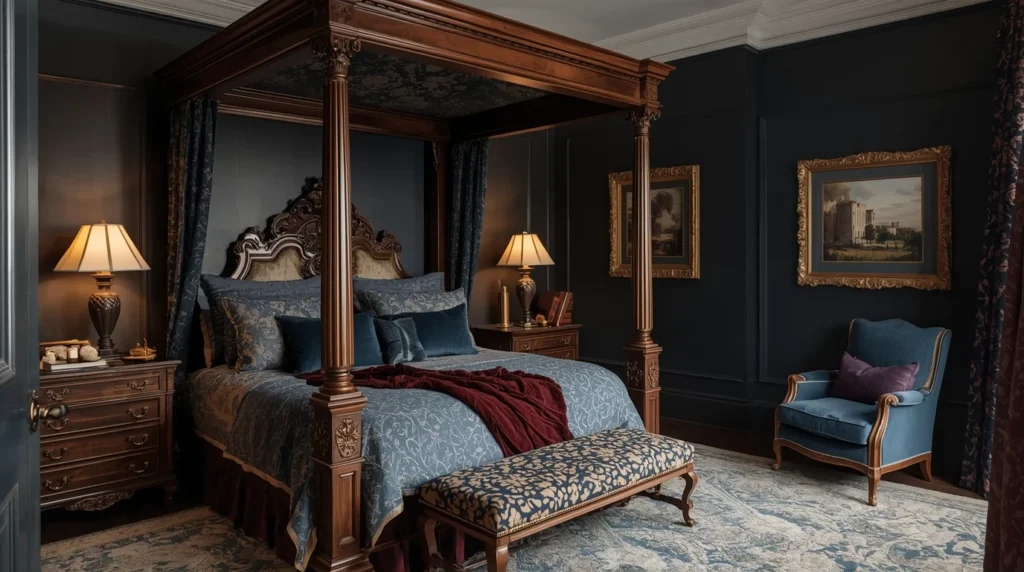
Bedroom Baroque is all about creating your own private retreat. The bed is obviously the star – four-poster or canopy beds work beautifully, but even a regular bed can look amazing with the right headboard and bedding.
I love using darker colors in bedrooms. Sounds crazy, I know, but deep blues or rich burgundies actually make spaces feel more intimate and restful. Add some gorgeous lamps and maybe a reading chair, and you’ve got yourself a sanctuary.
Children’s Rooms
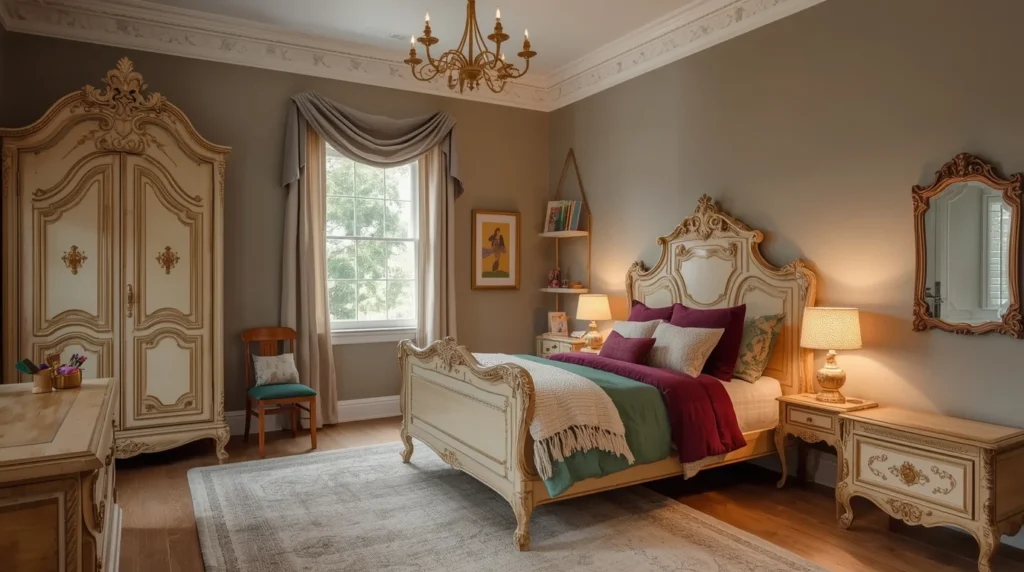
Kids and Baroque? Absolutely. But we adapt it for real life. Think fairy tale princess meets practical mom. Ornate toy chests that actually hold toys. Beautiful mirrors at kid height. Rich colors that hide fingerprints.
My daughter’s room has this incredible painted armoire that looks like something from a storybook. She loves it, and honestly, it’s held up better than any of her regular furniture.
Kitchens
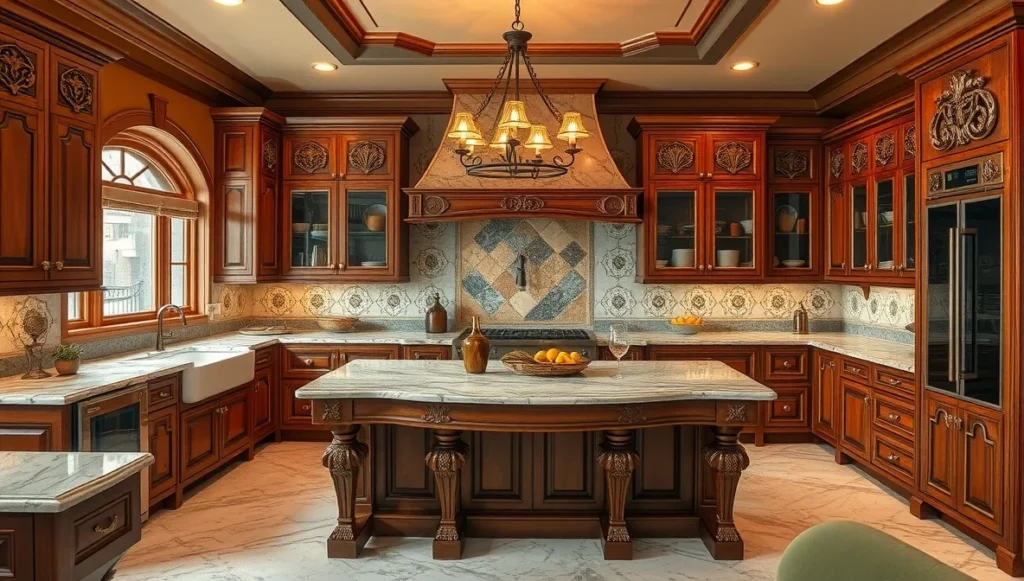
Baroque kitchens sound impossible, but they’re not. The secret is balancing all that ornate beauty with actual functionality. Rich cabinetry with detailed hardware, gorgeous countertops with dramatic veining, statement lighting that actually lights your prep areas.
I did one kitchen with a range hood that looked like a work of art. Cost more than I want to admit, but the clients use their kitchen more now just because they love being in there.
Bathrooms
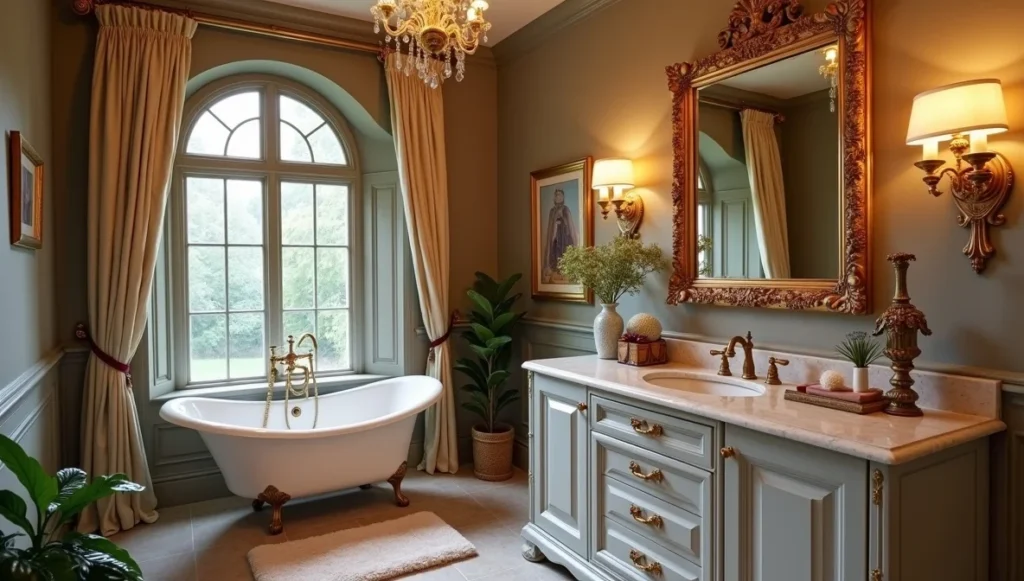
Baroque details can make even a simple bathroom feel like something special. A mirror with a carved or gilded frame instantly changes the mood and makes the space feel more glamorous. Brass or bronze fixtures add a touch of elegance without being fussy. If you’ve got enough space, a freestanding tub is a beautiful choice, but even a regular shower feels elevated when paired with rich wall colors or patterned tile. The idea isn’t to create a palace, it’s to bring a little drama and beauty into a space you use every day.
Home Offices
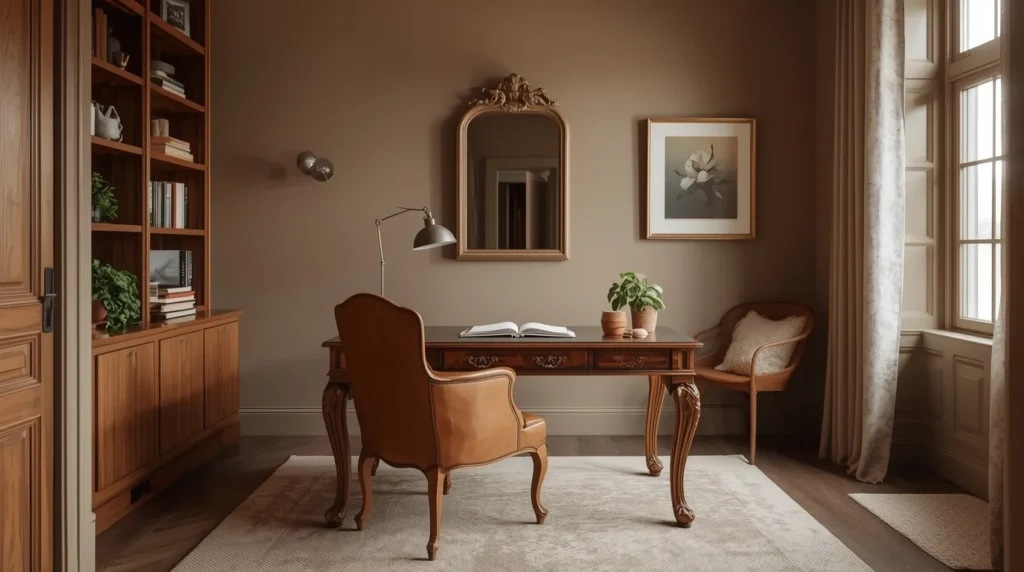
Working from home in a Baroque office? Yes, please. Rich wood, leather seating, built-in bookshelves that make you feel scholarly even when you’re answering emails.
I’ve got clients who actually look forward to work calls now because they love their home offices so much. Not a bad side effect.
Everything Else
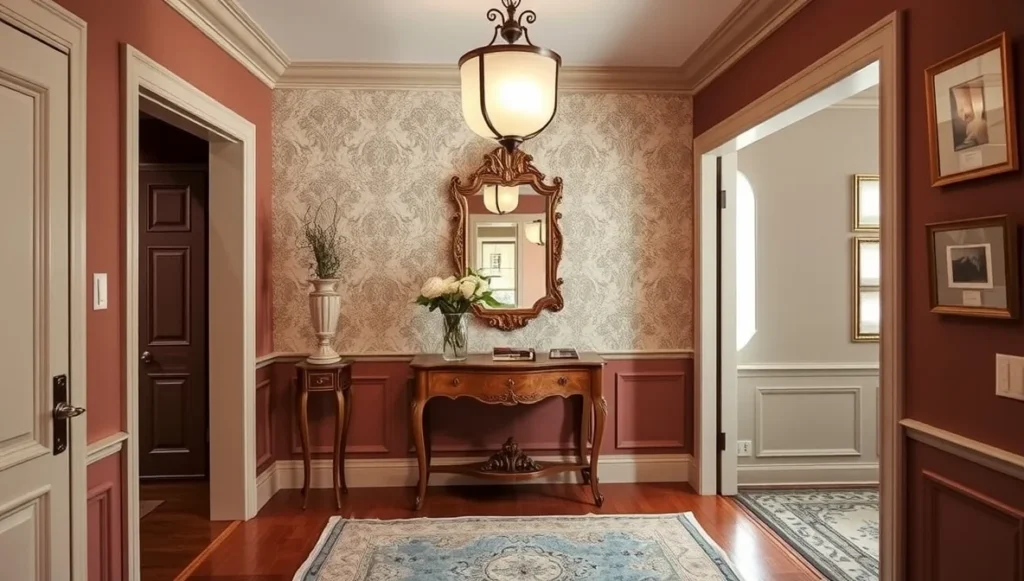
Foyers set the tone for your entire home. Go big or go home, right? Grand lighting, statement furniture, colors that announce your style from the moment someone walks in.
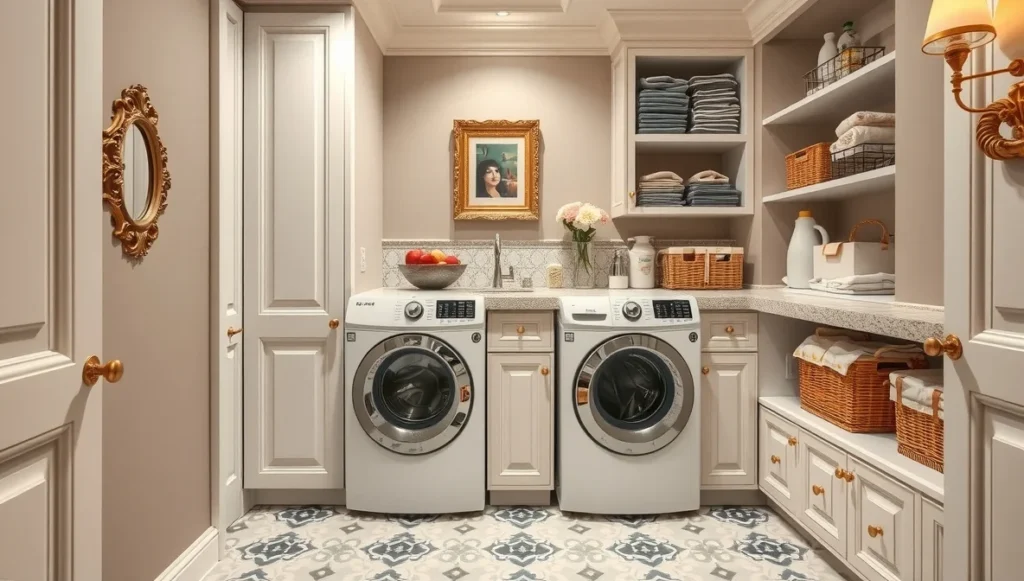
Even utility spaces can get the Baroque treatment. Laundry rooms with beautiful tile and fancy fixtures make chores feel less like, well, chores.
What Usually Goes Wrong (And How to Fix It)
The Overcrowding Trap
Just because you can fit fifteen ornate pieces in a room doesn’t mean you should. Even Baroque needs breathing room. I tell clients to arrange their furniture, then remove one piece. Usually makes everything look better.
Size Matters
That massive armoire looks incredible in the showroom, but will it fit through your doorway? Will it overwhelm your bedroom? Measure twice, buy once. Trust me on this.
Pattern Overload
Multiple patterns can work beautifully together, but they need to be friends, not enemies. I usually stick to one bold pattern, then add smaller doses of complementary designs. Keeps things interesting without giving anyone a headache.
The Money Talk
Nobody wants to talk about budgets, but let’s be real here. Baroque isn’t a budget style. But it also doesn’t have to break the bank if you’re smart about it.
Focus your money on the pieces that matter most – statement furniture, quality fabrics, good lighting. Accessories and smaller pieces can be added over time. Rome wasn’t built in a day, and neither is a beautiful Baroque room.
Also, quality Baroque pieces hold their value. That gorgeous antique chest you splurge on today? Your kids might fight over it someday.
Why We Keep Coming Back to Baroque
After all these years, I still love working on Baroque interiors. There’s something about creating spaces that feel this rich and layered that never gets old.
My clients always tell me their Baroque rooms make them feel different – more relaxed, more elegant, more at home. There’s psychology behind surrounding yourself with beautiful things. Life’s too short for boring rooms.
Living With It Every Day
Maintenance? Sure, these rooms need a bit more attention than your average space. But honestly, if you love something enough to invest in it, taking care of it isn’t a chore – it’s part of the joy.
Regular dusting, professional cleaning for upholstery, occasional touch-ups on gilded pieces – nothing you can’t handle. And quality pieces actually get more beautiful with age and proper care.
Final Thoughts
Baroque interior design isn’t about showing off (okay, maybe a little). It’s about creating spaces that feed your soul. Spaces that make ordinary moments feel special. Spaces that reflect your personality instead of hiding it.
Will everyone love your Baroque dining room? Probably not. Will you love it every single day? If you do it right, absolutely.
After fifteen years of creating these dramatic, beautiful spaces for clients, I can tell you this: life’s too short for rooms that don’t make you smile. If Baroque makes you smile, go for it. Just do it well.